
Enjoy a program of fiery intensity and sweeping, unforgettable melodies, featuring Antonín Dvořák’s beloved New World Symphony – a breathtaking orchestral masterpiece, Tchaikovsky’s dramatic Romeo and Juliet, and the blazing colors of Stravinsky’s Firebird Suite (1919 Version). The program carries the audience from the American frontier to the Verona of Shakespeare, the mythic forests of Russian folklore, and, in the encore, straight into the voices of children asking to be heard.
Symphony No. 9 in E minor, Op. 95, “From the New World” – Antonín Dvořák (1841–1904)
Dvořák composed this symphony in 1893 while serving as director of New York’s National Conservatory of Music. Inspired by the musical world he encountered in America—especially African American spirituals, along with ideas he associated with Native American culture—he filtered those influences through his own Bohemian musical voice. Its sweeping themes were so evocative that excerpts later became astronaut Neil Armstrong’s favorite piece of music, reportedly carried with him on the Apollo 11 mission.
Preferred Seating .. $85 *
General Seating ….. $70
Student ………………. $10
Music Student …….. Complimentary
* Preferred Seating is located in designated premium seating areas closest to the orchestra.
Intermission
Romeo and Juliet, Fantasy-Overture – Pyotr Ilyich Tchaikovsky (1840–1893)
Tchaikovsky was only in his late twenties, and still finding his voice as a composer, when a colleague suggested Shakespeare’s tragedy as a subject. The result — with its tender love theme and violent, clashing swordplay music representing the feuding families — became one of the most enduring depictions of doomed romance in the concert repertoire, and Tchaikovsky himself revised it twice over the following decade.
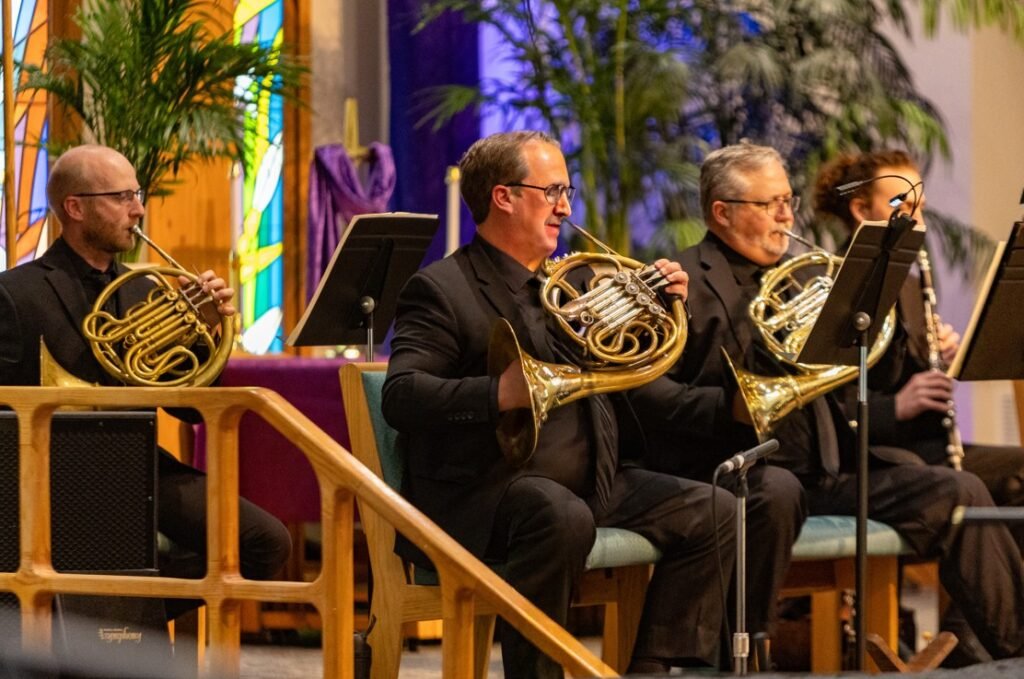
The Firebird Suite (1919) – Igor Stravinsky (1882–1971)
Impresario Sergei Diaghilev took a gamble on the then-unknown, 27-year-old Stravinsky after his intended composers fell through — a decision that launched Stravinsky’s career and, indirectly, the road to The Rite of Spring. Based on Russian folk tales of a magical firebird and an evil sorcerer, the ballet was an instant sensation at its 1910 Paris premiere. Stravinsky later trimmed and refined the score into this 1919 concert suite, prized today for its clarity and vivid orchestral color — from the shimmering “Dance of the Firebird” to the thunderous “Infernal Dance of King Kashchei.”